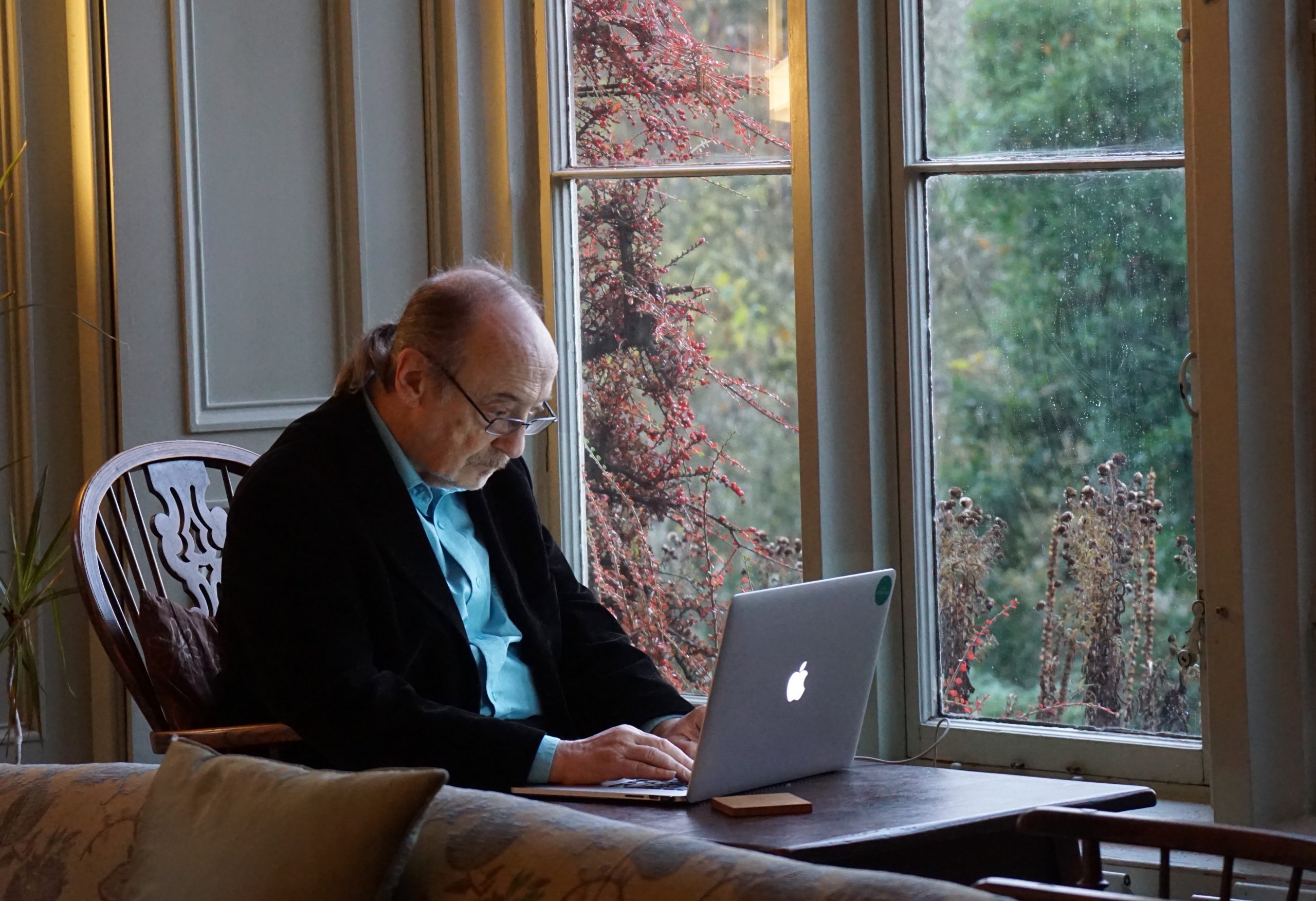
Digital Futures for Later Life is a new initiative to increase knowledge about how researchers and companies can support older people’s digitalization. The age group 55+ is the fastest-growing age group in Stockholm County, with an increase of 35% since the year 2000 and constitutes a heterogeneous group of people living under different conditions. Most people are used to using some form of digital technology. In 2021, Internet use increased fastest among people aged 76 and older, but two out of ten never use the Internet. In 2021, several people in their 60s will participate in a future workshop to identify both problems and opportunities.
In addition to the problems surrounding the introduction of technology and confidence in technology as a factor for change, previous research also shows stereotypes and a lack of influence from older people. They are left to someone else’s assessment of what they need or can use.
– It is time to ask the users or non-users of digital technology – the older people themselves. Many digital investments take longer than expected to introduce. At the same time, it is unclear whether they improve the work environment or provide an increased quality of life for the elderly. Instead of a belief in technology as the sole carrier of change, the starting point should be that technology is part of the social context, explains Britt Östlund, Professor in Technology in Health Care, KTH, and Associate Director, Societal Engagement at Digital Futures.
Recruitment of participants has been ongoing during February, and the first workshops start in March. Adding to the digital workshops are complimentary analogue interviews. The interest is significant, and there has been no problem to get people to participate in workshops.
– We have to pay attention to how technology affects later-life conditions and for the practice of, for example, elderly care, continues Britt Östlund.
The results are presented at Digitalize in Stockholm 20-21 October 2021.
For questions regarding the initiative Digital Futures for Later Life, please contact Britt Östlund, Professor of Technology in Health Care, KTH, and Associate Director, Societal Engagement at Digital Futures: brittost@kth.se